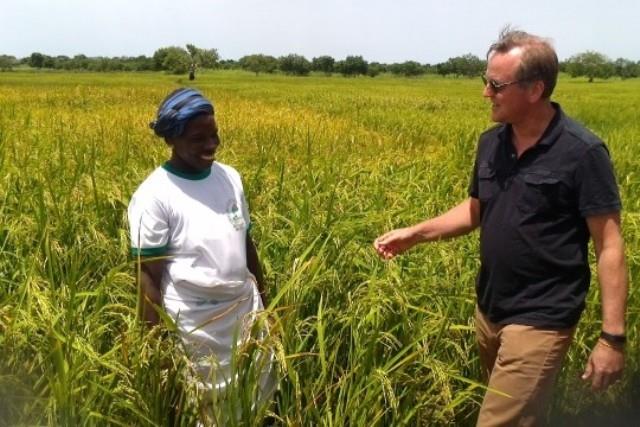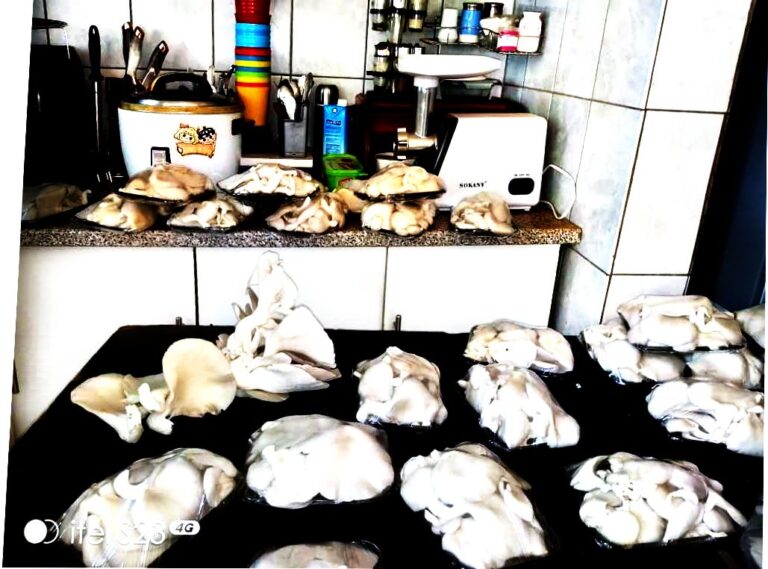
Dagric limited CEO David Sebit //Photo courtesy
David Ezekia Sebit’s childhood was defined by conflict and survival. Born in Yambio, South Sudan, during the early 1990s, he grew up amid the Second Sudanese Civil War. Villages were destroyed, families displaced, and schools destroyed. Children often wrote letters and numbers in the dirt because books and desks were unavailable. Despite these hardships, David understood early that education could open a path beyond the instability that surrounded him.
In the early 2000s, his family sent him to Uganda for safety. Life there, as David describes during an exclusive interview, demanded resilience. He survived on raw mangoes, walked long distances to school and worked on construction sites to pay tuition. For years, he lost contact with his family, uncertain if they were alive. Yet he persisted, driven by the belief that knowledge could shape a future beyond conflict and poverty.
When David moved to Nairobi, Kenya, he found stability through mentors like Bishop Timothy Okelo of Chrisco Donholm Fellowship and lawyer Sospeter Opondo Aming’a. Their guidance helped him channel his experiences into entrepreneurship. Drawing on his background in rural agriculture, he founded Dagric Limited, an organic agricultural company focused on sourcing products from smallholder farmers in Kenya and South Sudan while promoting health, nutrition and sustainable livelihoods.
Dagric Limited supplies dried hibiscus, organic honey, ginger, poultry and other natural products to urban markets. According to the Kenya Organic Agriculture Network, demand for organic foods in Kenya has grown by 35 percent over the past five years, driven by rising health awareness. Dagric bridges the gap by providing a reliable market for small-scale farmers.
One of the farmers supplying honey from South Sudan, Musa Malual, shared his experience working with Dagric. Malual says that Dagric has enabled him to scale up his production from subsistence to commercial.
“Before Dagric, my farm produced just enough for my family. Now I supply honey and ginger to Dagric every month. I can pay school fees for my children and even expand the farm. Noted Musa, adding that he never imagined farming could give him this stability.
Musa’s story is mirrored by dozens of other farmers who have transitioned from subsistence to commercial farming, benefiting from training on chemical-free practices that protect soil health and biodiversity.
David Sebit explains the company’s mission. He says this motivation to launch Dagric came from a deep desire to support smallholder farmers in Africa and to address the increasing health risks caused by the processed foods.
“I started Dagric because I wanted to show that African farmers can thrive if they have the right support. Our goal is to produce food that is healthy for families and profitable for farmers. This is how we change Africa—by empowering the people who grow our food and ensuring consumers get products they can trust.”
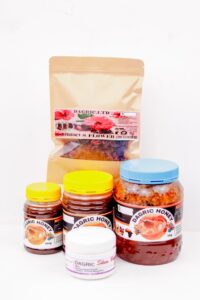
Jane Mwangi, a resident of Nairobi who is a frequent customer of Dagric limited, says that she started buying Dagric honey and dried hibiscus because she wanted to avoid chemicals to get my family’s food. Knowing these products come from small farmers and are organic, Jane says, gives her confidence and peace of mind.
The company’s work goes beyond nutrition. Through promoting organic farming, Dagric supports environmental sustainability. Bee farming initiatives enhance pollination, improving overall farm productivity, while chemical-free practices reduce soil degradation.
In 2024, Dagric worked with over 50 smallholder farmers, many of whom had never previously participated in export-oriented agriculture. The model has proven that business growth can coexist with ecological preservation.
The company also emphasizes youth and women empowerment. Women participate in preparing and packaging honey, ginger and hibiscus, gaining income and financial independence. Youth are trained in logistics, marketing, and business management, equipping them with skills to thrive in the agricultural value chain. This holistic approach ensures that entrepreneurship lifts entire communities rather than just individuals.
Health outcomes have improved in regions where Dagric operates alongside other companies that advocate for organic food. According to a 2023 Kenya Ministry of Health report, diet-related illnesses like diabetes and hypertension affect over 20 percent of adults in urban areas, largely due to processed and chemical-laden foods. By providing chemical-free products, Dagric helps mitigate these risks, offering nutritious alternatives that are increasingly accessible to urban households.
David’s commitment extends to scaling his impact across East Africa. He plans to expand Dagric’s network of farmers in South Sudan, Uganda, and Kenya while increasing product availability in regional markets. The company’s vision includes training more farmers on organic practices, improving supply chains, and advocating for healthier diets across the continent.
A farmer from South Sudan supplying ginger, Akol Deng, described the transformation as transformational and life changing.
“I never thought my small farm could reach Nairobi and other parts of Kenya. Dagric trained me, bought my ginger, and now my family’s life is different. My children can attend school, and I feel proud that our farm contributes to people’s health.”Deng notes
Dagric Limited’s story is not only about business success but also about community resilience and healthier lifestyles. Its products help urban families access natural food while creating economic opportunity for rural producers.
The youthful agripreneur continues to inspire the communities he works with. By combining his personal experience with strategic vision, he has created a company that empowers farmers, promotes organic consumption, and strengthens local economies. Dagric Limited illustrates that African solutions can emerge from local innovation, dedication, and collaboration.
This story was featured in the just-launched Luminate Africa Journal first edition of The Africa Feature Network’s end-year magazine, and can be downloaded on our website at the journal page.